As we step into 2025, global health policy faces a complex landscape shaped by technological advancements, climate change, economic instability, and geopolitical tensions. Policymakers, researchers, and healthcare professionals must navigate these challenges while ensuring equitable access to healthcare worldwide. The role of artificial intelligence in medicine is no longer hypothetical; it is actively reshaping diagnostics, treatment planning, and administrative efficiencies. Yet, despite the hype, AI’s transformative potential remains largely concentrated in wealthier nations, where data infrastructure, regulatory oversight, and financial resources support its integration. Meanwhile, low-income countries are left to grapple with outdated systems, reinforcing a two-tiered global healthcare system. The ethical dilemmas—bias in algorithms, the commodification of patient data, and regulatory blind spots—are not just theoretical concerns but real threats to equity in healthcare. Without international governance and a commitment to closing the digital divide, AI could widen existing health disparities rather than close them.
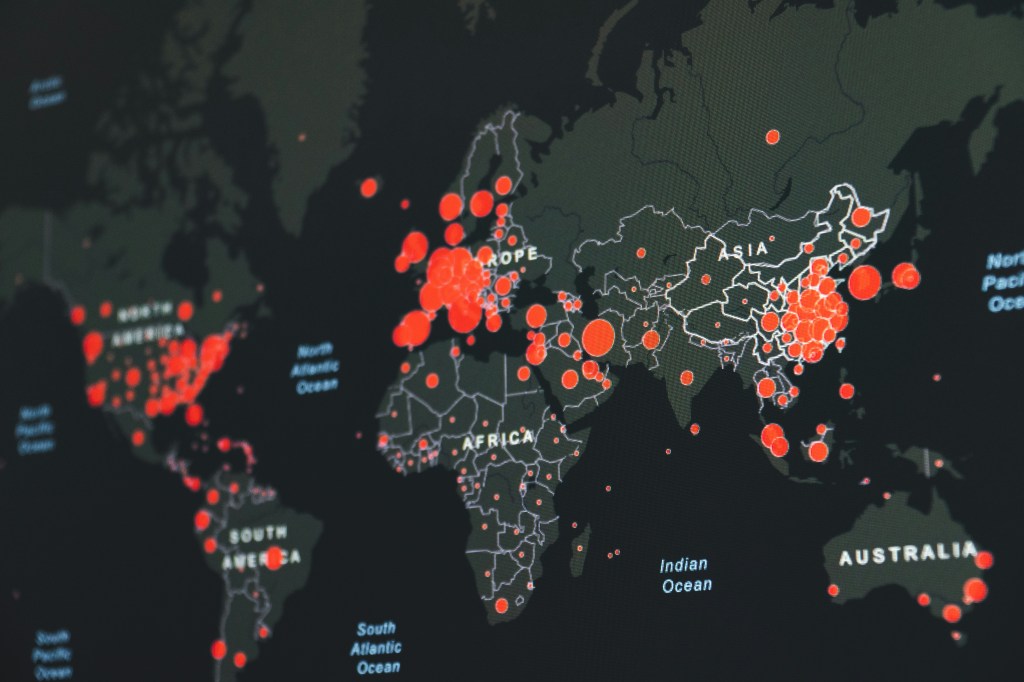
The COVID-19 pandemic may feel like a distant memory to some, but its lessons remain painfully relevant. It exposed the frailties of global health security mechanisms and showed how ill-prepared many nations were. Even now, questions persist: are our health agencies adequately funded? Can supply chains for essential medicines withstand another shock? If anything, the past five years have shown that health crises do not exist in isolation; they are deeply tied to political instability, economic fragility, and systemic underfunding of public health. While some governments have strengthened pandemic preparedness, others have fallen into complacency, slashing budgets and dismantling emergency infrastructure in favour of short-term economic gains. The reality is, global cooperation is faltering when it should be strengthening. Without sustained investment and better coordination, we risk repeating the mistakes of the past—only next time, the world may not be as lucky.
Climate change is no longer an abstract threat but a daily reality, and its impact on health is already being felt. Rising temperatures are expanding the reach of mosquito-borne diseases, while air pollution exacerbates respiratory conditions. The healthcare sector itself is a major contributor to emissions, yet green policies in health services are often overlooked. The question is: why has health not been fully integrated into the climate agenda? Healthcare systems remain woefully unprepared for climate-related disruptions, from hospital flooding to heatwave-induced patient surges. The upcoming COP29 summit could be a turning point—if health is finally given the attention it deserves. But for that to happen, global leaders must move beyond rhetoric and implement tangible, enforceable policies that prioritise both planetary and human health.
Meanwhile, vaccine distribution continues to be more about geopolitics than public health. Despite efforts by initiatives like COVAX, vaccine inequality persists. Intellectual property rights and the monopolisation of production keep costs high, making access difficult for lower-income nations. The expansion of mRNA technology to developing countries offers hope, but the rollout has been slow, hindered by patent disputes and political inertia. Why, despite overwhelming evidence, does the global pharmaceutical industry remain resistant to a fairer model of vaccine access? The answer lies in the entrenched interests of profit-driven health economics. Without genuine political will, equitable vaccine distribution will remain an ideal rather than a reality, leaving the world vulnerable to the next pandemic.
Universal Health Coverage (UHC) remains an elusive goal, particularly in the midst of economic turmoil. Healthcare systems worldwide are under pressure from rising costs, ageing populations, and, in some cases, austerity-driven cuts. Creative financing solutions, such as public-private partnerships and progressive taxation, could help bridge the gap, but these approaches come with their own risks. Private sector involvement, while beneficial in some cases, can also lead to profit-driven motives overriding public interest. Countries that have successfully expanded UHC, such as Thailand and Rwanda, have done so through strong political commitment rather than reliance on market forces. The question remains: are governments willing to prioritise long-term health gains over short-term political wins?
Mental health has finally been recognised as a public health priority, yet many nations still treat it as an afterthought. Awareness campaigns are abundant, but tangible investment in mental health services remains lacking. Integrating mental health into primary care is essential, especially in low-income regions where specialist support is scarce. But the problem isn’t just about funding—it’s about perception. Mental health remains chronically underfunded because it lacks the political visibility of other health crises. The World Health Organization’s updated Mental Health Action Plan offers a blueprint for progress, but without serious commitment from policymakers, it risks becoming just another well-intentioned document. Until mental health is viewed as integral to economic and social stability, rather than a secondary concern, little will change.
The conversation around global health is also shifting towards decolonisation. The traditional donor-recipient model of aid is being challenged, with lower-income countries demanding greater control over funding, research, and policy decisions. This isn’t just about fairness—it’s about effectiveness. Sustainable healthcare systems cannot be built on external dependency. Yet, despite growing calls for reform, power imbalances persist. International funding bodies and global health organisations still dictate priorities, often sidelining local expertise in favour of Western-driven agendas. Strengthening local research institutions and fostering equitable partnerships must be at the heart of global health efforts going forward. The rhetoric of “capacity building” needs to be replaced with genuine shifts in power dynamics that allow countries to take ownership of their health strategies.
Looking at the year ahead, it is clear that health policy cannot be tackled in silos. AI, climate change, pandemics, economic instability, mental health, and decolonisation are all interconnected. The challenge for policymakers isn’t just to respond to these issues individually, but to create a cohesive, forward-thinking strategy that prioritises equity, innovation, and sustainability. The real test will be whether global leaders have the political will to make that happen—or whether we will find ourselves discussing the same issues, with the same frustrations, in another five years.




Leave a comment