
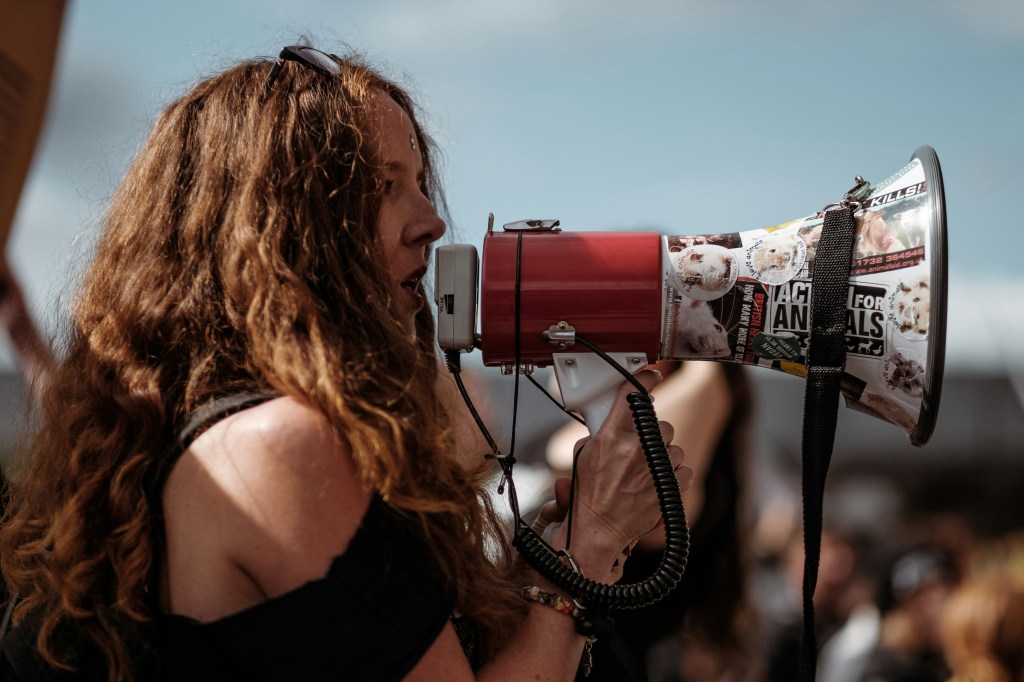
Advocacy is a demanding and often unforgiving field. It requires resilience, strategic thinking, and an unwavering commitment to one’s cause. Yet, for women, the road to effective advocacy is paved with additional hurdles—biases that label them as aggressive when they are assertive, irrational when they show emotion, and hormonal when they express frustration. Women who take on the role of advocate are often forced to walk a tightrope, carefully calibrating their tone and demeanour to be taken seriously without being dismissed as too forceful or too passive. This phenomenon is not new, but it remains as relevant as ever. To be an effective advocate while staying true to oneself requires both an awareness of these challenges and a set of strategies to counteract them.
One of the most persistent biases women face in advocacy is the “double bind”—the impossible choice between being seen as competent or likable, but rarely both. Research has consistently shown that assertive women are perceived as abrasive, while assertive men are viewed as confident leaders. This phenomenon is particularly pronounced in male-dominated fields, where women advocating for change often find themselves dismissed or penalised for the very traits that are celebrated in their male counterparts. Studies conducted by Harvard Business School and the Lean In Foundation have shown that when women negotiate forcefully or advocate for themselves and others, they are often met with backlash, labeled as “difficult” or “overly ambitious.”
Additionally, women’s emotions are often weaponized against them. Anger, which can be a powerful tool for advocacy when channeled effectively, is frequently interpreted as hysteria when expressed by women. Conversely, if a woman remains calm and composed in the face of injustice, she may be criticized for lacking passion. This paradox forces women into an exhausting cycle of self-regulation, constantly second-guessing how their words and actions will be perceived.
Another major obstacle is credibility. Women, especially in political or activist spaces, frequently have to prove their expertise in ways that men do not. Their arguments are often met with skepticism, and their lived experiences are dismissed as anecdotal rather than legitimate evidence. The enduring stereotype that women are “too emotional” undermines their ability to be seen as rational and objective, despite the fact that many of history’s most successful movements—from suffrage to civil rights—were led by passionate, emotionally driven activists who also happened to be women.
Age also plays a crucial role in how female advocates are perceived. Younger women often face the assumption that they lack experience or wisdom, making it harder for them to gain credibility in advocacy spaces. They may be dismissed as naive or idealistic, with their arguments overshadowed by perceptions of inexperience. On the other hand, older women, despite their extensive experience, may face marginalization due to ageism, particularly in environments that prioritize youth and innovation over seasoned leadership. Older women advocating for change may find themselves overlooked in favor of younger voices, reinforcing a cycle where women struggle to be taken seriously at any stage of their careers. The intersection of age and gender bias creates additional barriers that women must navigate, requiring them to work even harder to establish authority and influence.
Leadership and advocacy are deeply intertwined, yet women in leadership roles face many of the same biases that female advocates do. The stereotype that women must be either nurturing or authoritative—never both—creates a dilemma for female leaders who must assert their authority while maintaining a level of approachability. Women in leadership often find that their advocacy work is undermined by perceptions that they are either too soft to make hard decisions or too harsh to be likable. This tension is particularly evident in politics, corporate leadership, and activism, where female leaders must constantly prove their legitimacy while balancing public perception.
Despite these challenges, there are ways for women to navigate advocacy and leadership spaces without losing themselves in the process. First, strategic communication is key. While women should never feel the need to diminish their assertiveness, understanding audience perception can be useful. Framing arguments in ways that preempt bias—such as reinforcing expertise early in conversations and using data to back up claims—can strengthen an advocate’s credibility. Adopting a calm but firm tone, rather than reacting defensively to bias, can also help prevent detractors from shifting the focus to perceived attitude rather than the issue at hand.
Building alliances is another powerful tool. Women advocates should cultivate networks of support among both men and women who recognize and challenge these biases. Male allies, in particular, can play a crucial role in amplifying women’s voices and challenging gendered double standards when they arise. Research has shown that when men advocate for women’s issues, they are more likely to be taken seriously by those who might otherwise dismiss a woman raising the same concerns. Similarly, women in leadership positions should mentor and uplift emerging female leaders to ensure that the barriers they faced are incrementally dismantled for future generations.
Self-awareness and self-care are also essential. Advocating for change in the face of systemic bias is exhausting, and burnout is a real risk. Women in advocacy and leadership roles must prioritize their mental and emotional well-being, seeking out spaces where they can be authentic without the constant burden of managing perceptions. This can include mentorship circles, women’s leadership programs, and professional networks where they can share experiences and strategies without fear of judgment.
Lastly, the most effective way to dismantle these biases is to persist in advocacy despite them. Women who continue to assert themselves in the face of resistance help normalize the presence of strong female voices in leadership and activism. Over time, these persistent efforts chip away at entrenched biases, making it easier for future generations of women to advocate without fear of being labeled unfairly. By staying true to their convictions, female advocates and leaders not only drive meaningful change but also reshape the landscape for those who follow in their footsteps.
The path of a woman advocate and leader is fraught with challenges, but it is also one of immense power and influence. By understanding the biases at play, developing strategic approaches to communication, and building strong support networks, women can continue to drive meaningful change while remaining true to themselves. Change does not come easily, but history has shown that the women who persist in advocacy—despite the double standards, the dismissals, and the backlash—are the ones who ultimately reshape the world.



Leave a comment