
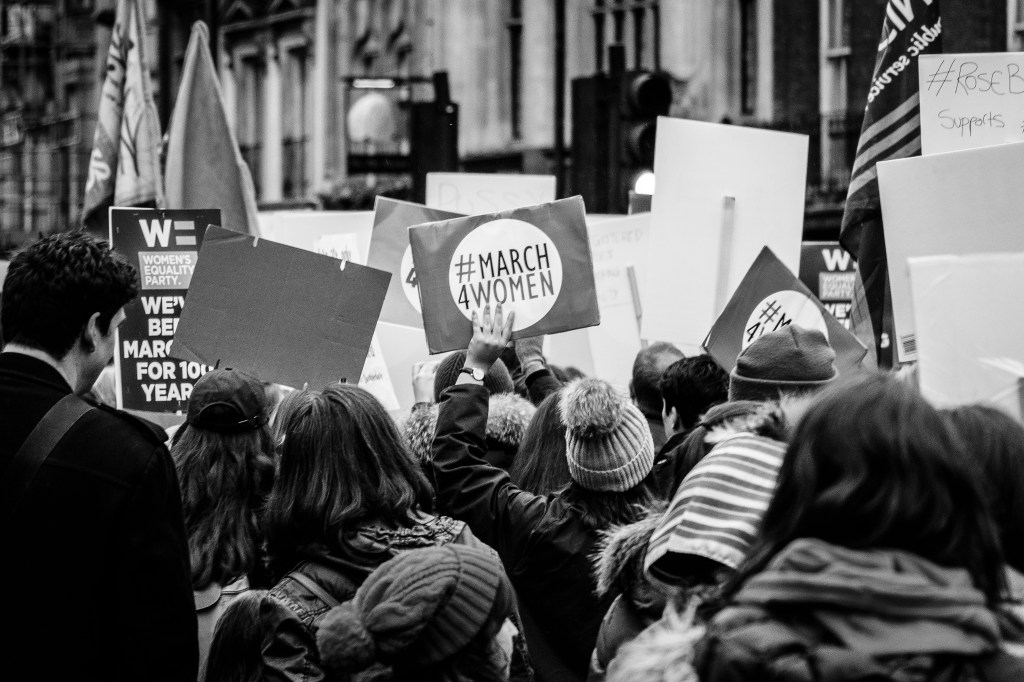
Being a female advocate or policymaker in a world where men still hold the majority of leadership positions is a challenge that requires skill, resilience, and strategic thinking. Women who step into advocacy roles, whether in politics, law, activism, or corporate policy, often face stereotypes that can undermine their credibility. Assertiveness is misinterpreted as aggression, confidence as arrogance, and decisiveness as coldness. Yet, despite these obstacles, women have continuously broken barriers, influenced policy, and shaped history. Succeeding in such an environment requires mastering communication, negotiation, diplomacy, and, importantly, body language to convey authority without losing authenticity.
One of the greatest challenges women face in advocacy and policymaking is the persistent double standard regarding assertiveness. While men are often praised for being direct and confident, women risk being perceived as domineering or unlikeable when they adopt the same approach. This is particularly evident in high-stakes negotiations, where a woman advocating for her position may be accused of being too emotional or too confrontational. This forces women to navigate a fine line — being firm enough to be taken seriously but not so firm that they are dismissed as difficult. To overcome this, successful female advocates develop a style of communication that blends authority with collaboration. They make deliberate choices in their speech, tone, and framing of arguments to ensure their message is heard without unnecessary backlash.
Body language plays a crucial role in reinforcing credibility and commanding respect. Women are often socialized to take up less space, to avoid seeming too dominant. However, in a professional setting, adopting strong, confident body language can significantly impact how one’s message is received. Standing tall, using purposeful hand gestures, and maintaining steady eye contact are powerful ways to convey confidence and authority. A strong stance, with feet planted firmly and shoulders squared, signals that one is grounded and unshaken. Avoiding nervous gestures such as playing with hair, crossing arms defensively, or shifting weight frequently can help project certainty and control. The ability to use strategic pauses while speaking, rather than rushing through statements, further emphasises confidence. The way a woman enters a room, sits at a table, and interacts physically with others can influence whether she is perceived as a leader or an observer. Female leaders who master non-verbal communication not only reinforce their authority but also counteract stereotypes that attempt to undermine their presence.
Negotiation skills are another critical area for women in advocacy and policymaking. The ability to negotiate effectively is key to influencing policy, securing resources, and gaining allies. However, studies show that women often face greater resistance when pushing for their interests. One strategy is to frame negotiations in terms of mutual benefit rather than personal gain. Instead of saying, “I deserve this,” effective female negotiators emphasise the broader impact of their proposals — how they will benefit the organisation, the community, or the cause at hand. Furthermore, using data-driven arguments and concrete evidence can prevent discussions from becoming overly personal. When negotiation resistance is rooted in unconscious bias, women can disarm opponents by demonstrating competence, preparedness, and an ability to remain composed under pressure.
Diplomacy is also an essential skill, particularly in male-dominated spaces where outright confrontation can backfire. Women who excel in advocacy understand when to push aggressively and when to take a more tactical approach. Relationship-building is key — having strong allies can help amplify one’s message and create a support system when facing opposition. Many female policymakers have learned to use strategic alliances to navigate difficult political or corporate landscapes. They also recognise the power of listening, allowing opponents to voice their concerns before countering with well-structured responses can be an effective way to build credibility and sway opinions.
Age plays a complex role in how female advocates are perceived. Younger women in advocacy may struggle with being taken seriously, often facing condescending attitudes that suggest they lack experience or expertise. To counter this, many adopt an evidence-based approach, relying on data, case studies, and well-researched arguments to assert their authority. Meanwhile, older women face a different set of challenges: while they may be respected for their experience, they can also be unfairly perceived as outdated or rigid. The key to overcoming age-related biases is adaptability; young women can assert themselves by demonstrating competence and a clear vision, while older women can remain influential by showing openness to new ideas and innovation.
Despite these challenges, female advocates and policymakers continue to make significant contributions to shaping society. Women have been at the forefront of major policy shifts, from climate action to human rights, public health to economic reform. Figures like Malala Yousafzai, Angela Merkel, Michelle Obama, and countless grassroots activists around the world illustrate the power of women’s advocacy. Their success stories provide valuable lessons: resilience in the face of opposition, the ability to craft compelling narratives, and a refusal to be sidelined.
To thrive as a female advocate or policymaker, one must cultivate a blend of confidence, strategic thinking, and adaptability. Understanding the role of body language, mastering negotiation tactics, and leveraging diplomacy can all enhance one’s influence. Above all, staying true to one’s values and vision is essential. While the path to leadership in a male-dominated world is often fraught with obstacles, it is also a road paved with opportunities for those who dare to walk it.



Leave a comment