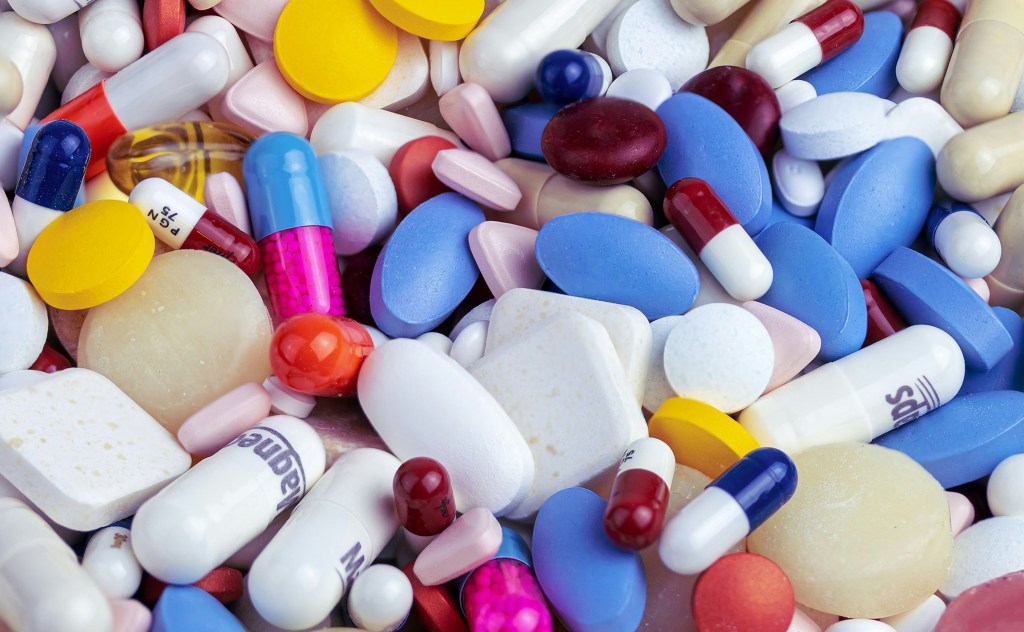
Europe’s dependence on China and India for pharmaceuticals has become one of the most pressing yet under appreciated vulnerabilities in global healthcare. From antibiotics to cancer treatments, European healthcare systems are deeply reliant on foreign manufacturing hubs for essential medicines. This dependence has long been an open secret, but the COVID-19 pandemic, ongoing geopolitical tensions, and frequent supply chain disruptions have exposed just how fragile the global drug supply chain truly is. As Europe grapples with increasing drug shortages, policymakers and industry leaders are now facing an urgent question: should the continent reclaim control over its pharmaceutical production to ensure security for its patients?
The scale of Europe’s dependence on China and India is staggering. Over 80% of the active pharmaceutical ingredients (APIs) used in European medicines are produced outside the continent, with China and India being the dominant suppliers. India alone is responsible for manufacturing approximately 60% of the world’s vaccines and a significant share of generic medicines. Meanwhile, China has positioned itself as the world’s leading producer of APIs, supplying key ingredients for everything from painkillers to chemotherapy drugs. This offshoring of production was initially driven by cost-cutting measures, as labour and manufacturing costs in Asia are significantly lower than in Europe. Decades of deindustrialisation and pharmaceutical deregulation encouraged European companies to outsource manufacturing to these regions, prioritising economic efficiency over long-term security.
The risks of this dependence have become painfully clear in recent years. During the COVID-19 pandemic, both China and India imposed export restrictions on essential medicines and medical supplies, prioritising domestic needs. This left European countries scrambling to secure basic drugs, ventilators, and protective equipment, exposing how vulnerable their healthcare systems had become. The pandemic was not an isolated incident. In 2019, India imposed export restrictions on 26 pharmaceutical ingredients and medicines, including paracetamol and certain antibiotics, following supply chain disruptions. Similar shortages have been recorded across Europe, with hospitals frequently reporting critical stockouts of essential drugs such as antibiotics, blood pressure medications, and oncology treatments.
These shortages are not just a logistical inconvenience—they have real, sometimes fatal, consequences for patients. In 2023, multiple European countries faced a severe shortage of common antibiotics such as amoxicillin and penicillin, forcing doctors to ration supplies or switch to less effective alternatives. For patients undergoing chemotherapy, delays in accessing crucial drugs can mean the difference between remission and disease progression. A fragile supply chain also increases the risk of counterfeit and substandard medicines flooding the market. When legitimate supplies run low, black-market alternatives often emerge, posing serious health risks. The European Medicines Agency (EMA) has flagged the rising number of falsified medicines entering the supply chain, particularly during periods of high demand and low supply.
The reliance on China and India also carries geopolitical risks. As global tensions rise, particularly between the West and China, the possibility of pharmaceutical supply chain disruptions due to political conflict cannot be ignored. Beijing has already demonstrated its willingness to use trade as a geopolitical weapon, restricting exports of critical raw materials in disputes with other nations. If tensions between China and Europe escalate, pharmaceuticals could easily become a bargaining chip in international negotiations.
Recognising these dangers, European policymakers have begun discussing strategies to reduce dependence on foreign pharmaceutical manufacturing. The European Commission has launched initiatives to bring some production back to Europe, but progress remains slow. The cost of reshoring pharmaceutical production is significant, as European labour and regulatory standards make local manufacturing far more expensive than outsourcing to Asia. However, the long-term security benefits may outweigh the short-term costs. A more diversified and resilient drug supply chain would ensure that European patients are not left vulnerable to sudden disruptions.
One proposed solution is the development of pharmaceutical manufacturing hubs within the EU, with financial incentives for companies willing to relocate production. France and Germany have both announced plans to increase domestic pharmaceutical production, but these efforts need to be scaled up to have a meaningful impact. Another key strategy is to create stronger stockpiling mechanisms, ensuring that essential medicines are available in reserve during crises. Countries like Switzerland have already implemented such policies, maintaining strategic reserves of critical drugs to prevent shortages. The EU could adopt a similar model, pooling resources to establish a continent-wide pharmaceutical security strategy.
Regulatory reform is also essential. Currently, the European pharmaceutical industry operates within a complex web of regulations that often favour cost-saving measures over supply chain security. Introducing policies that encourage local production, such as tax breaks or subsidies for European manufacturers, could help level the playing field. Additionally, international partnerships with other regions—such as increased collaboration with pharmaceutical producers in Latin America or Africa—could help diversify the supply chain and reduce over-reliance on Asia.
The pharmaceutical industry itself must also take responsibility. For decades, European drug companies have prioritised cost-cutting and shareholder profits over supply chain resilience. The shift towards just-in-time manufacturing—where companies keep minimal stock to reduce storage costs—has made the system even more vulnerable to shocks. Reversing this trend will require a fundamental change in corporate priorities, placing long-term security and patient safety ahead of short-term financial gains.
Ultimately, securing Europe’s pharmaceutical supply chain is not just an economic issue—it is a matter of public health and national security. The current model of extreme dependence on China and India is unsustainable and dangerous. If European governments do not take decisive action, future crises will continue to expose patients to unnecessary risks. While reshoring production will not be easy, the alternative—continued shortages, delayed treatments, and vulnerability to geopolitical tensions—is far worse. Europe must act now to ensure that its citizens have reliable access to life-saving medicines, regardless of the next global crisis.


Leave a comment