The climate crisis is not just a future catastrophe; it is an active, worsening disaster reshaping human health on a global scale. The air we breathe, the water we drink, the food we grow, and the places we live are all changing under the weight of rising temperatures, erratic weather patterns, and environmental degradation. Yet, despite the overwhelming scientific consensus and the increasingly dire warnings from the World Health Organization, the Lancet Countdown on Health and Climate Change, and the Intergovernmental Panel on Climate Change, governments continue to drag their feet, failing to respond with the urgency that this crisis demands.
Human migration is already accelerating in response to climate instability. The UN Refugee Agency predicts that by 2050, at least 200 million people will be displaced due to climate-related disasters, but some estimates place this number closer to one billion. These are not distant, hypothetical projections; they are unfolding now. In the Horn of Africa, a five-year drought has left millions of people on the brink of starvation, forcing mass movements of populations to already overcrowded urban centres where water and healthcare infrastructure cannot cope. In Bangladesh, where rising sea levels are swallowing entire villages, hundreds of thousands of people are migrating toward cities like Dhaka, placing extraordinary strain on an already overwhelmed health system. In Latin America, shifting weather patterns and crop failures are pushing more people toward the US-Mexico border, exacerbating the political and humanitarian crisis there. Yet, instead of addressing the root cause, climate inaction wealthy nations are tightening their borders, building detention centres, and criminalising migration, all while ignoring the inevitable fact that climate refugees will continue to grow in number.
As migration accelerates, the spread of waterborne diseases is becoming an increasing concern. Climate change is directly linked to the resurgence and intensification of cholera, dysentery, and typhoid outbreaks. Flooding caused by hurricanes, monsoons, and rising sea levels is contaminating freshwater supplies, while droughts are forcing communities to rely on unsafe water sources. In 2023 alone, over 50 countries reported cholera outbreaks, many in regions that had previously brought the disease under control. Warmer temperatures create conditions that allow cholera bacteria to thrive, making outbreaks more frequent and harder to control. Malnourished populations are more vulnerable to infections, and as displacement increases, people are forced into temporary shelters with poor sanitation, creating a breeding ground for disease. Climate change is also shifting the geographical boundaries of disease. Malaria, dengue fever, and Zika virus, once confined to tropical regions, are spreading northward and appearing in places previously untouched by these threats. The US has reported its first locally transmitted cases of malaria in 20 years, and dengue fever cases in Europe have increased tenfold over the last two decades. Warmer temperatures are allowing mosquitoes to survive and reproduce in areas that were once too cold for them. Tick-borne diseases, such as Lyme disease, are also expanding their range as climate conditions become more favourable for their survival. The reality is clear: climate change is rewriting the global epidemiological map, and public health systems are unprepared for the consequences.
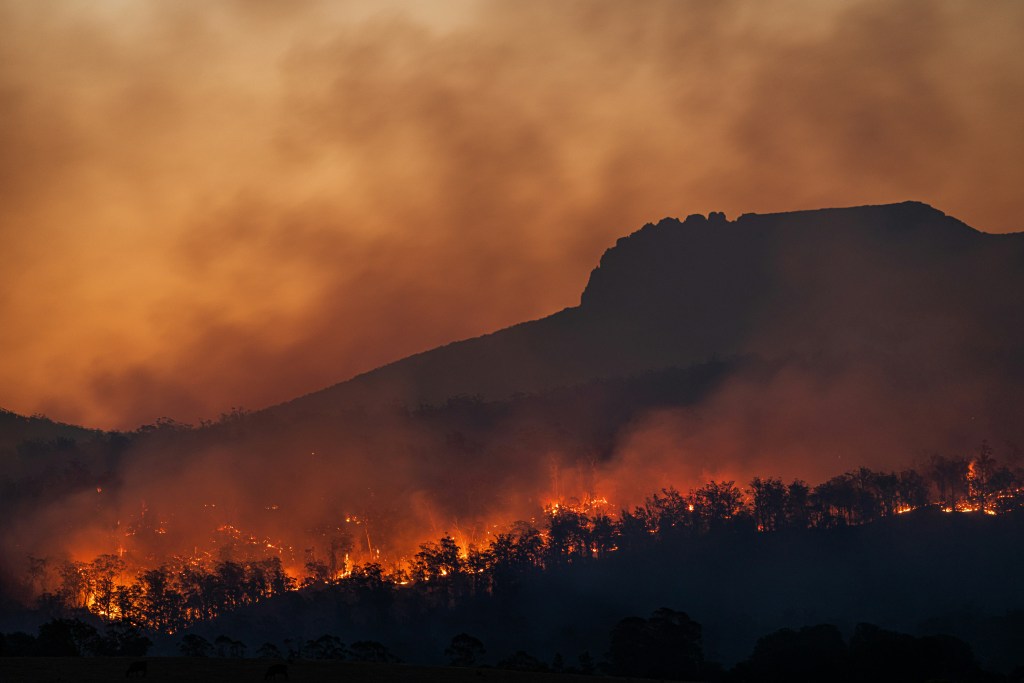
The rise in respiratory diseases is another direct consequence of climate inaction. Air pollution, worsened by wildfires, industrial emissions, and traffic congestion, is causing a surge in asthma, chronic obstructive pulmonary disease (COPD), and other lung conditions. Particulate matter (PM2.5) from fossil fuel combustion is a silent killer, responsible for approximately seven million deaths worldwide each year, according to the WHO. In cities like Delhi, Beijing, and even London, pollution levels routinely exceed safe limits, leading to increased hospital admissions and premature deaths. Wildfires, made more frequent and intense by climate change, are releasing vast amounts of toxic smoke, with catastrophic health effects. The 2020 Australian bushfires exposed millions of people to dangerous air quality for weeks, causing a spike in respiratory illnesses, heart attacks, and strokes. The 2023 Canadian wildfires sent toxic smoke drifting across North America, forcing millions to stay indoors as air quality plummeted. The link between air pollution and climate change is undeniable, yet governments continue to approve new fossil fuel projects, ensuring that pollution-related deaths will continue to rise.
The impact of extreme heat on health is one of the most immediate and measurable consequences of climate change. The summer of 2023 saw record-breaking temperatures across the globe, with deadly heatwaves sweeping through Europe, North America, and Asia. In Greece and Italy, temperatures surpassed 48°C (118°F), leading to hundreds of heat-related deaths. In the UK, which historically has had mild summers, excess deaths due to heat more than doubled compared to previous decades. Heat is not just an inconvenience; it is a killer. Heatstroke, dehydration, and cardiovascular failure are all direct consequences of extreme heat exposure. Chronic illnesses, such as kidney disease and heart conditions, are exacerbated by prolonged high temperatures. The elderly, pregnant women, and outdoor workers are particularly vulnerable. Yet, despite the evidence, many governments still do not have comprehensive heat action plans in place. Many hospitals and care homes lack proper cooling systems, and urban planning policies continue to prioritise concrete and asphalt over green spaces, worsening the urban heat island effect.
Mental health is also deteriorating as a result of climate anxiety, displacement, and disaster-related trauma. A growing body of research highlights the psychological toll of climate change, with rising rates of depression, PTSD, and eco-anxiety, particularly among young people. Entire communities have been devastated by hurricanes, floods, and wildfires, leaving survivors with deep emotional scars. In many places, mental health services are already stretched to their limits, leaving those affected with little to no support. The economic cost of climate-related health crises is staggering. The Lancet estimates that climate-related health costs could exceed $2 trillion annually by 2050. In the US alone, climate change-related healthcare costs already reach an estimated $820 billion per year. The NHS is also feeling the strain, with rising hospital admissions due to heat-related illnesses, respiratory diseases, and vector-borne infections placing an unsustainable burden on an already overstretched system. If governments fail to act, these costs will only escalate, leading to a collapse in healthcare provision, particularly in low-income and developing countries.
Despite all this, climate policy remains largely disconnected from health policy. Governments continue to subsidise fossil fuels, approve new oil and gas projects, and fail to implement the aggressive emissions reductions necessary to curb warming. The wealthiest nations (those most responsible for historical emissions) are failing to support the poorest nations, where the health burden of climate change is highest. The lack of investment in climate-resilient healthcare systems means millions of people will continue to suffer and die from preventable climate-related diseases.
The solutions are clear. Fossil fuel subsidies must be abolished immediately, with funds redirected toward climate mitigation and adaptation efforts. Healthcare systems must integrate climate resilience into their strategies, including early-warning systems for extreme weather events, improved surveillance of emerging infectious diseases, and infrastructure upgrades to withstand climate shocks. Urban planning must prioritise green spaces, cooling centres, and sustainable transport to mitigate the worst effects of heat and pollution. And crucially, governments must recognise that the climate crisis is a health crisis and act accordingly. The failure to act on climate change is not just political negligence; it is mass-scale public health malpractice. Every ton of carbon emitted, every delay in policy implementation, and every refusal to transition away from fossil fuels is a direct attack on human health. The cost of inaction is measured in lives lost, communities destroyed, and a future that looks increasingly uninhabitable.
This is not a distant problem; it is happening now. And the longer governments continue to ignore the warnings, the more devastating the consequences will be. History will not judge today’s leaders kindly. The question is whether they will act before it is too late.




Leave a comment